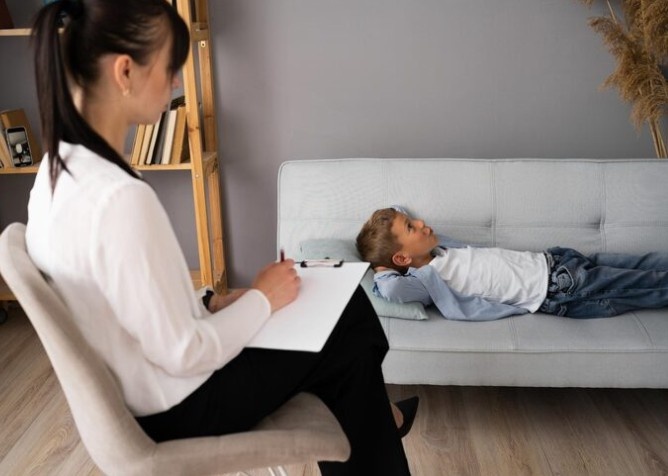

What Can Parents Expect During a Child Psychiatric Consultation?
When a child starts showing persistent changes in mood, behaviour, attention, sleep, school performance, or social interactions, parents may wonder whether professional help is needed. Child Psychiatrist Treatment in Ghaziabad can help parents understand what may be affecting their child and what type of support could be appropriate. A child psychiatric consultation is not about blaming the child or parents. It is a structured process designed to understand the child’s emotional, behavioural, developmental, family, and social needs.
For fast information, chat with us directly on WhatsApp.
Many parents feel nervous before the first appointment because they are unsure what questions will be asked or whether their child will be comfortable talking to a psychiatrist. Knowing what to expect can make the consultation easier for both parents and children.
What Is a Child Psychiatric Consultation?
A child psychiatric consultation is a detailed assessment of a child’s emotional and behavioural health. Unlike a routine medical appointment, it may explore several areas of a child’s life.
The psychiatrist may discuss:
- Emotional wellbeing and mood
- Behaviour at home and school
- Attention and concentration
- Sleep and eating habits
- Academic performance
- Friendships and social interactions
- Family relationships
- Developmental history
- Previous medical or psychological concerns
- Any current medication or treatment
A child psychiatrist may also consider physical, developmental, psychological, educational, family, and social factors before reaching a clinical understanding of the problem.
Why Might Parents Consider Child Psychiatric Treatment in Ghaziabad?
Children can experience emotional or behavioural difficulties for many different reasons. Sometimes these concerns are temporary, while at other times they may continue and interfere with daily life.
Parents may consider Child Psychiatrist Treatment in Ghaziabad when a child has persistent:
- Anxiety or excessive worrying
- Irritability or frequent mood changes
- Anger or aggressive behaviour
- Difficulty concentrating
- Hyperactivity or impulsive behaviour
- School refusal or declining academic performance
- Social withdrawal
- Sleep difficulties
- Repeated unexplained physical complaints
- Obsessive thoughts or repetitive behaviours
- Self-harm or thoughts of suicide
A significant change in behaviour or emotional functioning, especially when it affects school, family life, friendships, or safety, may warrant professional assessment.
What Happens During the First Consultation?
The first appointment generally begins with understanding why the family has sought help.
Parents may be asked when the problem started, how often it occurs, and whether anything appears to make it better or worse. The psychiatrist may also ask how the child behaves in different settings.
The consultation may involve speaking with parents and the child separately or together. This is because children may describe their experiences differently from parents, while parents can provide important information about development and behaviour over time.
The purpose is not to interrogate the child. Instead, the psychiatrist aims to create a comfortable environment where the child can communicate honestly.
What Information Should Parents Bring?
Parents can make the consultation more useful by preparing relevant information beforehand.
Consider bringing:
- Previous medical or psychological reports
- School reports, if relevant
- Current medication details
- Information about previous treatment
- A list of major concerns
- Examples of recent behavioural changes
- Information about sleep and eating patterns
- Relevant developmental history
Parents should also think about when the symptoms started and how they affect everyday activities.
For some children, information from teachers, pediatricians, school counsellors, or other professionals may also be useful, particularly when concerns appear in more than one setting.
Will the Child Be Diagnosed Immediately?
Not necessarily.
A psychiatric diagnosis should be based on a careful understanding of the child’s symptoms, development, medical history, environment, and functioning. A comprehensive evaluation may sometimes require more than one appointment or additional information.
The psychiatrist may discuss possible explanations for the child’s difficulties and recommend further assessment if needed.
Parents should feel comfortable asking questions such as:
- What could be causing these symptoms?
- Does my child need further assessment?
- What treatment options are available?
- How can parents support the child?
- How will progress be monitored?
A good consultation should help parents understand the concerns rather than simply give them a label.
What Can Parents Expect From Child Psychiatrist Treatment in Ghaziabad?
Treatment depends on the child’s individual needs. There is no single approach that works for every child.
Depending on the assessment, treatment may include psychological therapy, behavioural strategies, family-based support, educational recommendations, medication when clinically appropriate, or a combination of approaches.
A child psychiatrist considers the child’s age, development, symptoms, family situation, and overall functioning when developing a treatment plan.
Parents are often an important part of treatment. They may receive guidance about communication, routines, behaviour management, school concerns, and ways to support the child’s emotional wellbeing.
Is Medication Always Required?
No.
A psychiatric consultation does not automatically mean that medication will be prescribed. The need for medication depends on the child’s clinical situation and the professional assessment.
For some children, counselling, behavioural interventions, family support, school-based strategies, or other non-medication approaches may be appropriate.
If medication is recommended, parents should ask about its purpose, expected benefits, possible side effects, dosage, and follow-up plan.
How Can Parents Help During the Consultation?
Parents can help by being open and specific.
Instead of saying, “My child is always difficult,” describe what actually happens. For example, explain how frequently the child becomes angry, what triggers the behaviour, how long it lasts, and what happens afterward.
It is also important not to coach the child to give a particular answer. Honest information helps the psychiatrist understand the situation more accurately.
Parents should also remember that seeking psychiatric help does not mean they have failed as parents. A child psychiatrist’s role is to understand the child and support the family, not to assign blame.
When Should Parents Seek Professional Help?
Parents should consider seeking professional guidance when emotional or behavioural concerns are persistent, worsening, or interfering with everyday life.
A professional evaluation may be especially important when there is significant school decline, severe anxiety, persistent aggression, major changes in sleep or eating, social withdrawal, self-injury, suicidal thoughts, or behaviour that creates a safety concern.
Early assessment can help families understand what is happening and identify suitable support.
Child Psychiatrist Treatment in Ghaziabad: A Family-Centred Approach
Every child is different. Two children may show similar behaviours but have very different underlying needs. That is why Child Psychiatrist Treatment in Ghaziabad should begin with a detailed and individualised assessment rather than assumptions.
The goal is to understand the child’s difficulties in the context of development, family, school, relationships, and overall wellbeing. With appropriate assessment and ongoing support, parents can become better equipped to help their child manage emotional and behavioural challenges.
Conclusion
A child psychiatric consultation is a supportive and structured process that helps parents understand changes in their child’s emotions, behaviour, development, and daily functioning. Child Psychiatrist Treatment in Ghaziabad may involve assessment, guidance, therapy, behavioural strategies, family support, or medication when appropriate.
Parents do not need to have all the answers before an appointment. Sharing honest observations, previous reports, school information, and concerns can help the psychiatrist develop a clearer picture of the child’s needs. Most importantly, seeking professional guidance should be viewed as a positive step toward supporting a child’s emotional health and development.
FAQs
1. What happens during a child psychiatric consultation?
The psychiatrist generally discusses the child’s current concerns, medical and developmental history, behaviour, emotions, school performance, relationships, and family environment. The child may also be interviewed individually or with the parents.
2. Should parents attend the first child psychiatric appointment?
Yes. Parents or primary caregivers usually provide important information about the child’s development, behaviour, symptoms, and daily functioning. Depending on the child’s age and situation, the psychiatrist may also speak with the child separately.
3. Does every child need psychiatric medication?
No. Medication is not automatically required. Treatment depends on the child’s symptoms, diagnosis, age, development, and individual circumstances. Therapy, behavioural support, family guidance, or school-based interventions may also be considered.
4. How should parents prepare for a child psychiatric consultation?
Parents can prepare by noting the main concerns, when symptoms started, changes in behaviour, school performance, sleep, eating patterns, previous treatments, and current medications. Previous medical or psychological reports can also be useful.
5. When should parents consider Child Psychiatrist Treatment in Ghaziabad?
Parents may consider Child Psychiatrist Treatment in Ghaziabad when emotional or behavioural concerns persist, significantly affect daily life, interfere with school or relationships, or raise concerns about the child’s safety. A professional assessment can help determine the appropriate next step.
For More Information, Visit Now: https://share.google/NV45pEXhqzYD8VyN2